

Cernunnos: Wild Grounding, Sacred Reciprocity & Devotion Through the Living Earth
- Alexandria McNeil

- Jul 22
- 12 min read
Grounding is often treated like a quick mood shift, something to force when the nervous system is tired. Cernunnos teaches a slower truth. Grounding is a relationship with the living world, with the body, with need, hunger, rest, limits, and return.
Cernunnos is often approached as a horned god, a nature deity, and a guardian of the greenwood. His presence is commonly felt through antlers, stags, wild animals, deep soil, moss, rivers, stones, and the quiet intelligence of the forest. He is not a figure who needs to be made frightening to be powerful. His power is already there in rooted presence, in animal kinship, in the balance between taking and giving back.
For many practitioners, Cernunnos devotion is not about intensity. It can be quiet. It can be practical. It can be as simple as stepping outside, breathing with the trees, giving clean water to the earth where appropriate, tending a plant, or keeping a promise to live more gently.
This is a steady introduction to honoring Cernunnos through wild grounding, ethical abundance, sacred reciprocity, and gentle boundaries.

Cernunnos as guardian of the living world
Cernunnos is best known from ancient Celtic and Gaulish religious imagery, especially the famous antlered figure shown seated with animals and sacred objects. Much about him remains mysterious. Modern devotion often works with what the symbols continue to teach: wildness, fertility, wealth held in balance, animal kinship, and the deep authority of the natural world.
To call Cernunnos a guardian of the living world is to recognize life as a web. The stag does not stand apart from the forest. The river does not flow apart from stone, rain, fish, root, and human thirst. The body does not exist apart from sleep, food, soil, grief, sunlight, and breath.
Cernunnos asks for attention to those relationships.
His devotion can be especially meaningful for anyone rebuilding a sense of rootedness after burnout, overstimulation, people-pleasing, grief, or long disconnection from the body. His wisdom does not demand performance. It invites return.
Return to the body.
Return to the ground.
Return to the honest measure of what can be carried.
Return to the sacred agreement that taking must be met with care.
The feeling of his presence is steady and earthy
Cernunnos is sometimes described with dramatic language because horns, wild animals, death cycles, and old forest imagery can stir strong feelings. Yet his presence does not need to be sensationalized. He can be approached as a calm, rooted, watchful power.
Think of:
Forest breath after rain
Hooves over leaf litter
Moss growing slowly over stone
A stag pausing at the edge of sight
The hush before an animal chooses whether to come closer
The body finally unclenching near running water
This is not a devotion of force. It is a devotion of consent, pacing, respect, and attention.
Wildness does not mean chaos. Instinct does not mean harm. Abundance does not mean excess. Cernunnos’ wildness is the intelligence of living systems. It knows when to grow, when to shed, when to mate, when to migrate, when to rest, when to defend, and when to let go.
For devotees and nature-based witches, this matters. A grounded relationship with Cernunnos does not require intense ritual, elaborate tools, or trance work. If strong ritual is not right for your body, your nervous system, your home, or your season of life, you can still honor him.
Quiet devotion is still devotion.
A full moon rite in the woods is one path. So is washing your hands, opening a window, and making one concrete promise to the world around you.
Themes and symbols linked with Cernunnos
The following themes and symbols are common touchpoints for Cernunnos devotion. They can guide altar work, journaling, offerings, nature walks, meditation, or simple moments of recognition outdoors.
Theme | What it can teach | Symbols and signs |
Wild grounding, rooted power, instinct, sovereignty | The body belongs to the earth. Instinct can be wise. Sovereignty includes knowing your own pace and limits. | Antlers, horns, stags, animal tracks, soil, stones, roots, deep woods |
Reciprocity, balance, ethical abundance, stewardship | Take only what you can honor. Let receiving and giving remain in relationship. | Torcs, bowls, coins used mindfully, seeds, clean water, tended plants |
Cycles of life, death, and rebirth | Nature releases and renews. Death is part of the living cycle, not a threat to dramatize. | Fallen leaves, compost, bones found respectfully, mushrooms, winter branches, spring shoots |
Animal kinship and the greenwood | Humans are not separate from other beings. Listening is part of reverence. | Stags, deer, serpents, birds, foxes, rivers, oak, evergreen, moss |
Boundaries and embodied wisdom | The wild knows when to open and when to withdraw. Access is not owed. | Horns, thresholds, forest edges, stones, closed gates, protective trees |
Cernunnos symbols often speak through texture rather than spectacle. The cool weight of a stone. The clean line of a deer track. The persistent green of moss. The shedding and regrowth of antlers. The serpent’s movement close to the earth. The oak’s slow strength. The evergreen’s winter endurance.
If you keep an altar, it can be simple. A bowl of water, a stone, an acorn, a pressed leaf, or a small image of a stag can be enough. If you do not keep an altar, the land itself can hold the practice.
Sacred reciprocity is the heart of the work
Reciprocity means relationship. It asks, “What am I receiving, and how am I responding with care?”
This does not have to become guilt. Guilt often freezes the body. Sacred reciprocity brings the body back into motion. It turns reverence into practice.
Cernunnos’ abundance is not endless consumption. It is the health of a living system where enough can circulate. Fruit ripens because soil, pollinators, water, sun, fungi, and decay all take part. No part exists only to be used.
This is why ethical abundance matters in Cernunnos devotion. Wealth can mean money, but it can also mean time, food, rest, friendship, vitality, creative energy, safety, and access to land or shelter. Devotion can ask clear questions about how those forms of abundance move through a life.
Consider these reflection prompts during a walk, after a ritual, or while holding a warm drink:
Where am I taking more than I can honor?
Where am I giving past my true capacity?
What form of abundance am I craving, and what responsibility comes with it?
What would enough feel like in my body?
What can I return within the next few days?
These are not questions for self-punishment. They are questions for realignment.
Cernunnos offerings, Cernunnos symbols, Cernunnos ritual work, and horned god devotion all become more meaningful when they lead to changed relationship. The offering is not only what sits in a bowl. It is what happens after the bowl is emptied.

Offerings and devotional acts do not need to cost money
Offerings to Cernunnos can be humble. They can be gathered from what is already present, given with care, and followed by responsible action. No spending is required.
Simple offerings and devotional acts include:
Clean water poured to the earth where appropriate
Birdseed offered in a safe feeder or suitable place
A pinch of oats
A found stone placed on an altar for a season, then returned respectfully
A small bundle of herbs from what you already have
A moment of silence outdoors
Picking up litter
Tending a plant
Donating money or supplies to a wildlife rescue if you have the means
Keeping a promise to live more gently
Composting what can return to soil
Repairing an item instead of replacing it
Choosing less waste when possible
Resting before resentment turns into harm
Offerings can be actions. A bowl of water is beautiful, but so is cleaning trash from a creek bank. A pinch of oats can carry prayer, but so can changing one habit that has been draining the land, your body, or another person.
Follow local guidelines. Do not feed wildlife unsafe foods. Do not leave herbs, salt, coins, crystals, string, candle wax, or other materials in wild places where they may harm animals or waterways. Leave no trace. If a park, trail, apartment complex, or local ecosystem cannot receive a physical offering safely, choose an action offering instead.
Ethical devotion respects the place where it happens.
A two to five minute devotion for forest breath and vow
This smoke-free practice is gentle enough for a lunch break, a low-energy day, or a moment when you need to return to your body without making the practice intense.
You can do it outside, on a porch, in a yard, beside one tree, or by an open window. If you cannot open a window, stand near a plant, a bowl of water, or a stone.
Forest Breath and Vow
Stand outside or by an open window.
Let your feet settle. If standing is not comfortable, sit with both feet supported or rest your hands on your thighs.
Take 5 slow breaths.
Do not force depth. Let the breath become honest. Notice the ribs, belly, shoulders, jaw, and hands.
Say the invocation.
“Cernunnos, keeper of the green, root me in what is real.”
Place a hand on your belly and soften your shoulders.
This helps bring devotion into the body. Let the belly be a place of truth rather than tension.
Name one thing you want to live in better relationship with.
Choose one.
-Your body
-Your time
-The land
-Money
-Food
-Rest
-Energy
-Work
-Desire
-Grief
Choose one proof action for today.
Let the action be small enough to complete.
- Drink water
- Step outside for 5 minutes
- Compost or recycle one thing
- Buy less or choose better
- Set one boundary that protects your energy
- Wash your bowl after eating
- Send the honest message
- Move your body with kindness
- Put one item back where it belongs
End by saying, “I give this action as my vow.”
Then do it.
The power of this devotion is not in how emotional it feels. The power is in closing the gap between prayer and practice.
A ten to fifteen minute ritual for the reciprocity bowl
The Reciprocity Bowl ritual is simple, smoke-free, and earth-honoring. It helps make the exchange between receiving and returning visible. It works well at the start of a week, after being paid, before a major commitment, during seasonal transitions, or anytime life feels out of balance.
Use a bowl you already have. Ceramic, glass, wood, or metal all work. If salt is not appropriate for your environment or tradition, skip it.
Reciprocity Bowl
Gather:
A bowl
Clean water
A pinch of salt, optional
Paper and pen
A quiet place to sit
A towel, if needed
Steps:
Fill a bowl with water.
Pour slowly. Listen to the sound. Let the water mark the beginning of the rite.
Add a pinch of salt if it feels appropriate.
Salt can symbolize preservation, clarity, and the body’s own mineral life. If you plan to pour the water outside, be careful. Salt can harm soil and plants. You can also keep the water indoors and dispose of it down the drain.
Write the first sentence.
“What I’m taking is ____.”
Fill in the blank with something real. It might be time, resources, attention, energy, money, food, space, patience, or care.
Write the second sentence.
“What I’m giving back is ____.”
Fill in the blank with care, rest, money, service, gratitude, repair, honesty, protection, or stewardship.
Whisper the balancing prayer.
“May my abundance be ethical. May my life be in balance.”
Dip your fingertips in the water and touch your forehead and wrists.
If touch does not feel right, simply hold the bowl. Let the water be witnessed, not forced.
Choose one action to complete the loop within 24 to 72 hours.
Choose something specific.
-Pay the invoice
-Tip well
-Donate
-Clean a space
-Plant something
-Return a borrowed item
-Make the apology
-Take the rest
-Bring reusable bags
-Cancel what you cannot honor
-Follow through on the promise
Close with gratitude.
Say, “Cernunnos, keeper of balance, witness this return.”
When the ritual is done, handle the water responsibly. If it contains only clean water and it is appropriate for your location, you may pour it at the base of a tree or into soil. If you added salt, herbs, oils, or anything else that could harm plants or animals, dispose of it safely indoors.

Wild boundaries can be devotional
Wild Boundaries Instinct is sacred. You do not owe access to your energy. The deer steps closer only when it chooses. The snake withdraws when the ground trembles. The oak does not apologize for its bark. Boundaries are not a failure of compassion. They are part of living in right relationship.
Cernunnos’ wildness can help heal the belief that being loving means being endlessly available. In nature, every living being has limits. Roots need certain soil. Animals need territory, rest, shelter, migration, and distance. Even generous ecosystems have carrying capacity.
Human energy has the same truth.
A boundary may be devotional when it protects the life you are responsible for tending. That includes your body, your home, your recovery, your focus, your creativity, your finances, your relationships, and your spiritual practice.
Gentle boundary examples include:
“I cannot answer this tonight.”
“I need more time before I commit.”
“I am not available for that conversation.”
“I can help for 30 minutes.”
“I need quiet after work.”
“I am choosing rest today.”
“I cannot give that much and remain well.”
A wild boundaries practice does not require harshness. It requires truth. Clear limits often make relationships cleaner because they reduce hidden resentment.
Cernunnos can be honored through the moment you notice your body saying no. He can be honored when you stop explaining beyond what is needed. He can be honored when you protect your energy before depletion becomes collapse.
If devotion has felt like another demand, let this be a reset. You are allowed to go slowly. You are allowed to honor Cernunnos seasonally. You are allowed to have months when your practice is a glass of water, one walk, one repaired boundary, and one promise kept.
Pacing is part of consent. Your relationship with a deity does not have to move faster than your life can support.
Cycles of life, death, and rebirth belong to nature
Cernunnos is often linked with cycles of life, death, and rebirth. This does not need to become frightening. In an earth-based frame, death is visible everywhere as transformation.
Leaves fall and become soil.
Fruit rots and feeds seed.
Antlers shed and regrow.
Compost warms and changes.
Winter strips the branches.
Spring does not erase winter. It grows from what winter made possible.
For spiritual seekers in burnout recovery, this can be a relief. Not every ending is a personal failure. Some endings are seasonal. Some are ecological. Some are the body refusing to sustain what no longer belongs.
Cernunnos can meet people in the composting places of life: after exhaustion, after overgiving, after a relationship changes, after work becomes unsustainable, after a false self starts to crack. His lesson is not to rush rebirth. The forest does not skip decay.
Reflection prompts for seasonal work:
What has naturally ended, even if I have not accepted it yet?
What am I trying to keep alive through force?
What needs rest before it can grow again?
What can become nourishment if I stop clinging to its old form?
What small green sign already exists?
These prompts can be used at the solstices and equinoxes, at the dark moon, on a quiet Sunday, or anytime the body asks for truth.
Building a quiet Cernunnos practice over time
A lasting devotional practice does not need to be large. It needs to be honest enough to repeat.
Start with one anchor. Choose a practice that fits your actual life, not an imagined version of yourself with more time, energy, privacy, or money.
Possible anchors include:
One cup or bowl of clean water refreshed weekly
A stone carried during hard conversations
A short walk without headphones
A monthly donation or volunteer act for land or animals
A plant tended as a devotional commitment
A seasonal altar made from found natural objects
A journal page about taking and giving back
A weekly litter walk
A boundary spoken before the body becomes overwhelmed
If you work with an altar, keep it respectful and manageable. Dust it. Refresh water. Remove old offerings before they rot indoors. Return natural items responsibly. If something begins to feel like clutter or obligation, simplify.
If you work outdoors, learn the needs of your local place. A desert, wetland, city park, suburban yard, mountain trail, and coastal path all ask for different forms of care. Reverence begins with listening to the actual land under your feet.
If you work through animal kinship, keep respect at the center. Do not approach wildlife for spiritual experience. Let animals remain sovereign. Watching from a distance can be devotional. Supporting habitat can be devotional. Learning which native plants feed local pollinators can be devotional.
Animal kinship is not ownership. It is relationship at a respectful distance.
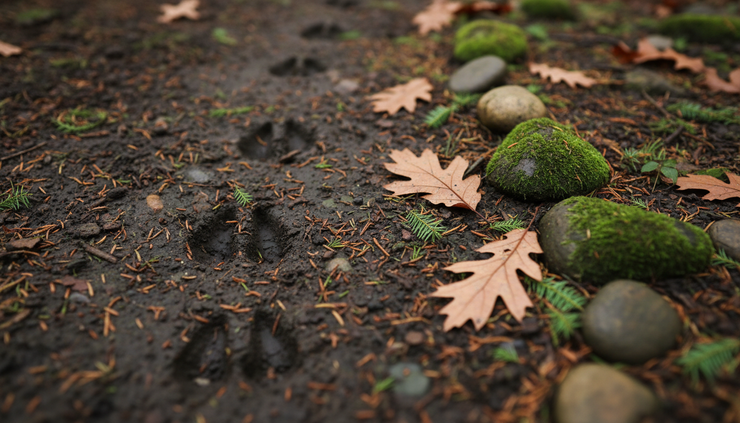
When devotion stays gentle, it can go deeper
Intensity can feel meaningful, but it is not the same as depth. Depth comes from attention, consistency, humility, repair, and care.
A gentle Cernunnos practice may look like this:
Breathing before reacting
Eating in a way that respects the body
Spending less when the craving is really for rest
Restoring one corner of the home
Learning the name of a tree nearby
Offering water with gratitude
Refusing a commitment that would make you resentful
Giving back after receiving
Letting grief move at the pace of seasons
This kind of devotion works because it touches ordinary life. It brings the greenwood into choices about time, money, food, energy, rest, and responsibility.
Cernunnos does not need grandeur to be present. He can meet you in the small proof action, the honest no, the bowl of water, the litter picked from the path, the invoice paid, the nap taken before collapse, the seed planted, the promise kept.
If you want a place to begin today, choose only one of these:
Take 5 slow breaths near a window.
Pour clean water to the earth, if appropriate.
Pick up one piece of litter.
Name what you are taking and what you will give back.
Set one boundary that protects your energy.
Step outside and listen for one full minute.
Let it be enough. Then let the next right action come in its own season.
Cernunnos reminds you that grounding is not a mood. It is a relationship you practice. Take one breath with the living world, give one thing back, and let your boundaries be part of your devotion.
If this practice speaks to you, choose one simple act today and mark it in your calendar for the next season. Let your devotion grow like moss: slowly, quietly, and with roots in what is real.


Comments