

Understanding the Sabbats: Celebrating the Wheel of the Year Through Rituals and Traditions
- Alexandria McNeil

- Dec 28, 2025
- 4 min read
The cycle of the seasons shapes much of life on Earth, and for many spiritual paths, it also shapes the rhythm of celebration. The Wheel of the Year marks eight key points in this cycle, known as the Sabbats. These pagan holidays and Wiccan celebrations honor nature’s changes, the sun’s journey, and the balance between light and dark. Understanding the sabbat history reveals how ancient peoples connected deeply with the land and sky, creating traditions that continue to inspire spiritual learners and families today.
This post explores the origins and meanings of each Sabbat, showing how they reflect the natural world’s cycles. It also offers simple, accessible ways to celebrate these holidays through rituals, crafts, and seasonal foods. Whether you are new to these traditions or looking to deepen your practice, this guide will help you embrace the Wheel of the Year with intention and joy.

The Origins of the Sabbats and the Wheel of the Year
The Wheel of the Year is a modern term for an ancient cycle of festivals that mark the changing seasons. These eight Sabbats come from a blend of Celtic, Germanic, and other European pagan traditions. Early agricultural societies observed the sun’s patterns, the solstices, equinoxes, and the midpoints between them, celebrating the earth’s fertility and the passage of time.
The Sabbats fall into two groups:
Solar festivals: The solstices and equinoxes, when day and night balance or one dominates.
Fire festivals: The midpoints between solstices and equinoxes, often linked to agricultural milestones.
Wiccan celebrations adopted and adapted these festivals in the 20th century, emphasizing harmony with nature and spiritual growth. The sabbat history shows a continuous thread of honoring life’s cycles, from ancient harvest rites to modern rituals.
The Eight Sabbats and Their Meanings
1. Samhain (October 31 - November 1)
Samhain marks the end of the harvest and the start of winter. It is a time to honor ancestors and reflect on mortality. The veil between worlds is believed to be thin, making it a powerful moment for divination and remembrance.
Ways to celebrate:
Light candles for loved ones who have passed.
Create a simple ancestor altar with photos and mementos.
Prepare seasonal foods like roasted root vegetables and apples.
2. Yule (Winter Solstice, around December 21)
Yule celebrates the rebirth of the sun as days begin to lengthen. It symbolizes hope and renewal during the darkest time of year.
Ways to celebrate:
Decorate with evergreens, holly, and mistletoe.
Burn a Yule log or candles to welcome light.
Bake spiced breads or cookies with warming spices.
3. Imbolc (February 1 - 2)
Imbolc honors the first signs of spring and the goddess Brigid. It is a festival of purification, new beginnings, and creativity.
Ways to celebrate:
Make Brigid’s crosses from rushes or straw.
Clean your home to invite fresh energy.
Cook dairy-based foods like butter or cheese.
4. Ostara (Spring Equinox, around March 21)
Ostara celebrates balance and fertility as day and night equalize. It is a time for planting seeds and welcoming growth.
Ways to celebrate:
Plant seeds indoors or in a garden.
Decorate eggs or create flower crowns.
Enjoy fresh greens and early spring vegetables.

5. Beltane (April 30 - May 1)
Beltane marks the height of spring and the start of summer’s warmth. It celebrates fertility, passion, and the blossoming of life.
Ways to celebrate:
Dance around a maypole or create flower garlands.
Light bonfires or candles to honor the sun.
Prepare fresh fruit and honey-based treats.
6. Litha (Summer Solstice, around June 21)
Litha honors the sun at its peak power. It is a celebration of abundance, strength, and light.
Ways to celebrate:
Spend time outdoors at midday to soak in the sun.
Collect wildflowers and herbs for wreaths.
Cook meals with summer fruits and vegetables.
7. Lammas or Lughnasadh (August 1)
Lammas is the first harvest festival, celebrating grain and the fruits of the earth. It honors the god Lugh and the cycle of giving and receiving.
Ways to celebrate:
Bake bread or corn-based dishes.
Create corn dollies or harvest decorations.
Share a communal meal with seasonal produce.
8. Mabon (Autumn Equinox, around September 21)
Mabon marks the second harvest and the balance of day and night. It is a time of gratitude and preparation for winter.
Ways to celebrate:
Make gratitude lists or share thanks with family.
Decorate with autumn leaves, nuts, and squash.
Enjoy hearty soups and roasted vegetables.

Making Sabbat Traditions Accessible for Beginners and Families
Starting to celebrate the Sabbats can feel overwhelming, but simple practices make these holidays welcoming for all ages and experience levels.
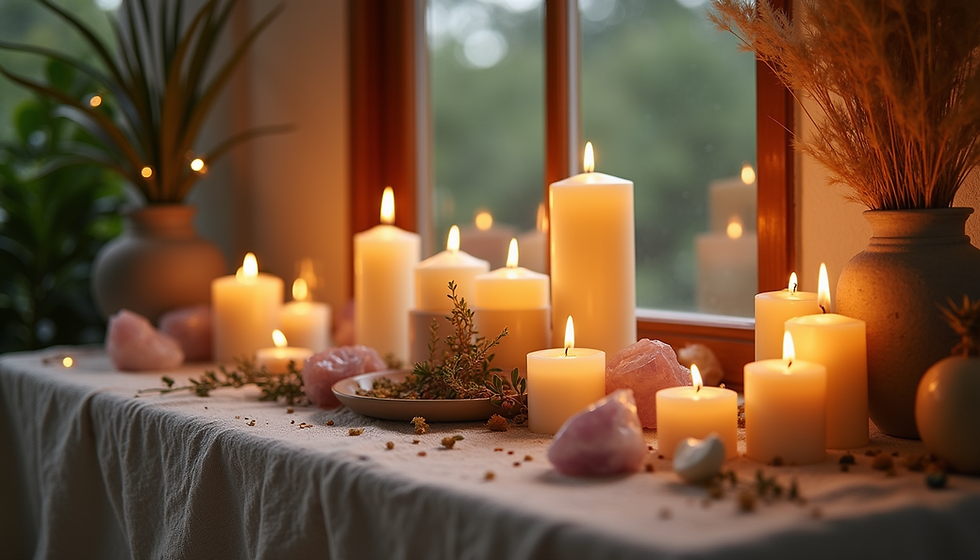
Create a seasonal altar with natural items like stones, flowers, or feathers.
Use storytelling to share the meaning of each Sabbat with children.
Involve crafts such as making wreaths, painting eggs, or baking themed treats.
Focus on nature walks to observe seasonal changes and collect materials.
Adapt rituals to fit your home and lifestyle, keeping them meaningful but manageable.
These small steps build a connection to the earth’s cycles and create lasting memories.
The Lasting Power of the Wheel of the Year
The Wheel of the Year offers a framework to live in tune with nature’s rhythms. The sabbat history reminds us that these celebrations are not just about dates but about honoring life’s constant change. Whether through quiet reflection or joyful gatherings, the Sabbats invite us to slow down, appreciate the seasons, and find balance in our lives.
By embracing these traditions, spiritual learners, pagans, and Wiccans can deepen their connection to the earth and each other. Start with one Sabbat that resonates with you, and let the cycle guide your journey through the year.


Comments